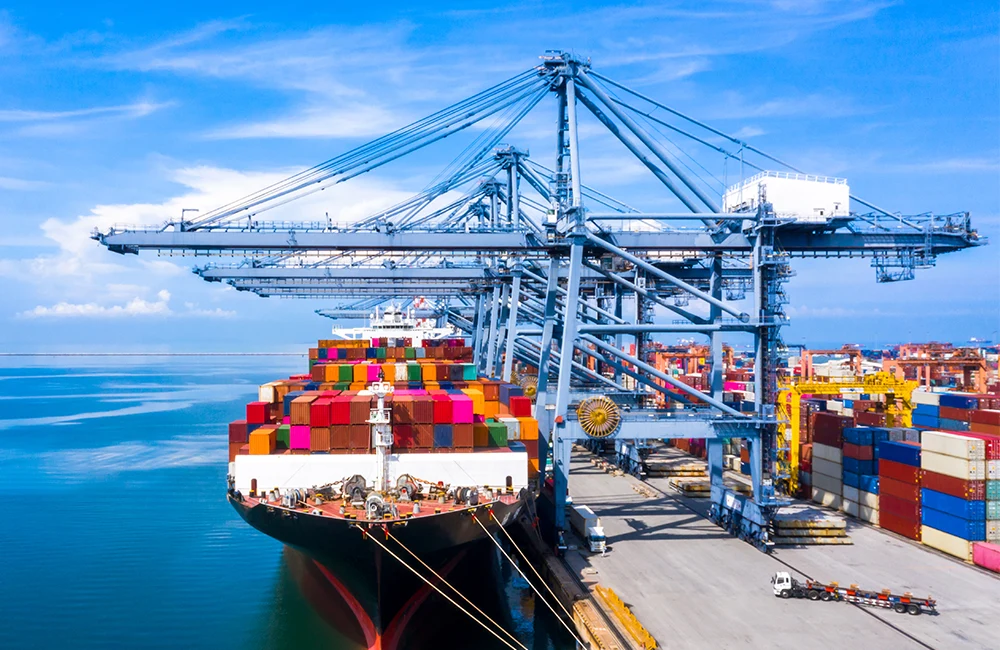
Sea freight, also known as ocean freight, refers to the transportation of goods via ships across the seas and oceans. It is a cost-effective and widely used method for international trade, allowing the movement of large quantities of goods between countries and continents.
Key components of sea freight include:
Containers: Goods are typically packed into containers, which are standardized, stackable metal boxes. This ensures easy handling, loading, and unloading of cargo from ships.
Shipping Lines: Companies that operate ships and provide sea transport services are known as shipping lines or carriers. They offer scheduled services along specific routes and are responsible for transporting cargo from one port to another.
Ports: Sea freight involves the use of ports for loading and unloading cargo. Ports are facilities equipped with infrastructure such as cranes, warehouses, and storage yards to facilitate the movement of goods between land and sea transportation.
Freight Forwarders: These are companies that help organize the shipment of goods on behalf of shippers. They handle various aspects of the logistics process, including booking cargo space, documentation, and customs clearance.
Transit Time: Sea freight transit times can vary significantly depending on the distance between ports and the chosen shipping route. While it is generally slower than air freight, it is often more economical for transporting large or heavy goods.
Sea freight offers several advantages, such as cost-effectiveness for bulk shipments, the ability to handle oversized cargo, and lower environmental impact compared to air freight. However, it also has some drawbacks, including longer transit times and potential disruptions due to weather conditions or geopolitical issues. The choice between sea freight and other modes of transportation depends on factors such as the nature of the goods, urgency, cost considerations, and the destination.