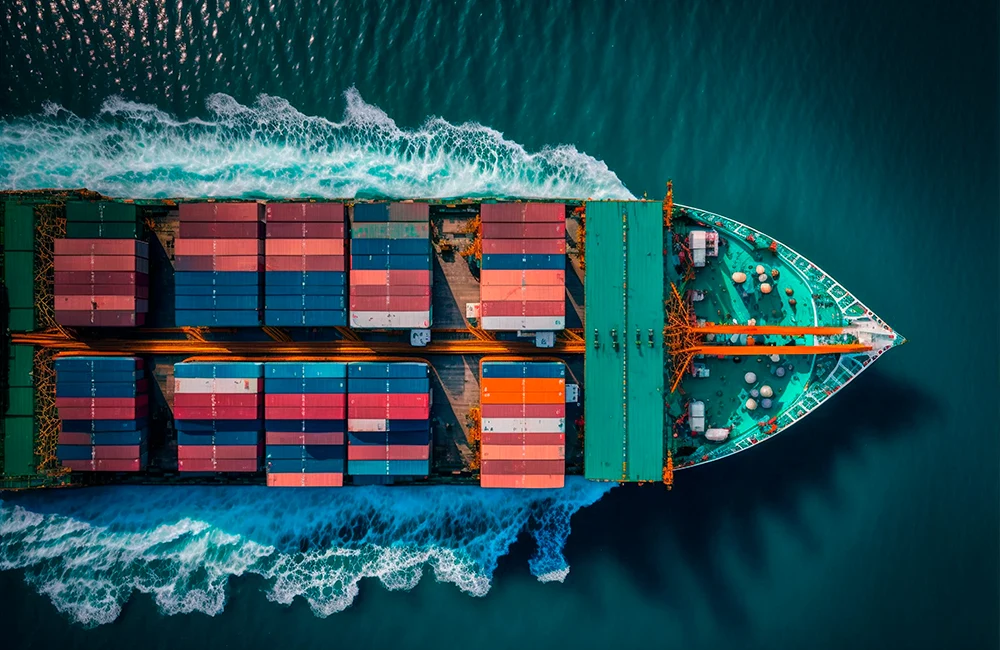
Shipping goods by sea involves compliance with various international laws and regulations to ensure the safety of the vessel, protection of the environment, and fair treatment of the parties involved. Some key international laws governing shipping by sea include:
United Nations Convention on the Law of the Sea (UNCLOS): This comprehensive treaty establishes the legal framework for activities in the world’s oceans, including shipping. It defines the rights and responsibilities of nations concerning the use of the seas and establishes rules for the conservation and management of marine resources.
International Maritime Organization (IMO) Conventions: The IMO is a specialized agency of the United Nations responsible for regulating shipping. Several IMO conventions set international standards for the safety, security, and environmental performance of international shipping. Key conventions include the International Convention for the Safety of Life at Sea (SOLAS), the International Convention for the Prevention of Pollution from Ships (MARPOL), and the International Ship and Port Facility Security Code (ISPS Code).
Hamburg Rules, Hague-Visby Rules, and Rotterdam Rules: These are international conventions that establish rules for the carriage of goods by sea. They govern issues such as the responsibilities of the carrier, the rights of the shipper, and the liability for loss or damage to cargo.
International Safety Management (ISM) Code: The ISM Code provides an international standard for the safe management and operation of ships and for the prevention of marine pollution. It requires shipowners to establish a safety management system to ensure compliance with safety and environmental standards.
International Ship and Port Facility Security (ISPS) Code: This code, mandated by the SOLAS Convention, establishes a framework for the assessment and maintenance of ship and port security. It aims to enhance the security of ships and port facilities to prevent incidents such as terrorism and piracy.
Ballast Water Management Convention: This convention addresses the control and management of ballast water to prevent the spread of harmful aquatic organisms from one region to another.
International Convention on Civil Liability for Oil Pollution Damage (CLC): This convention establishes a liability regime for compensation for oil pollution damage resulting from the carriage of oil by sea.
It’s important to note that shipping regulations may vary depending on the specific nature of the cargo, the type of vessel, and the routes taken. Additionally, individual countries may have their own national laws and regulations that shippers need to comply with. Shippers and shipowners should be aware of and adhere to these international and national regulations to ensure the smooth and legal transportation of goods by sea.